Art & Design
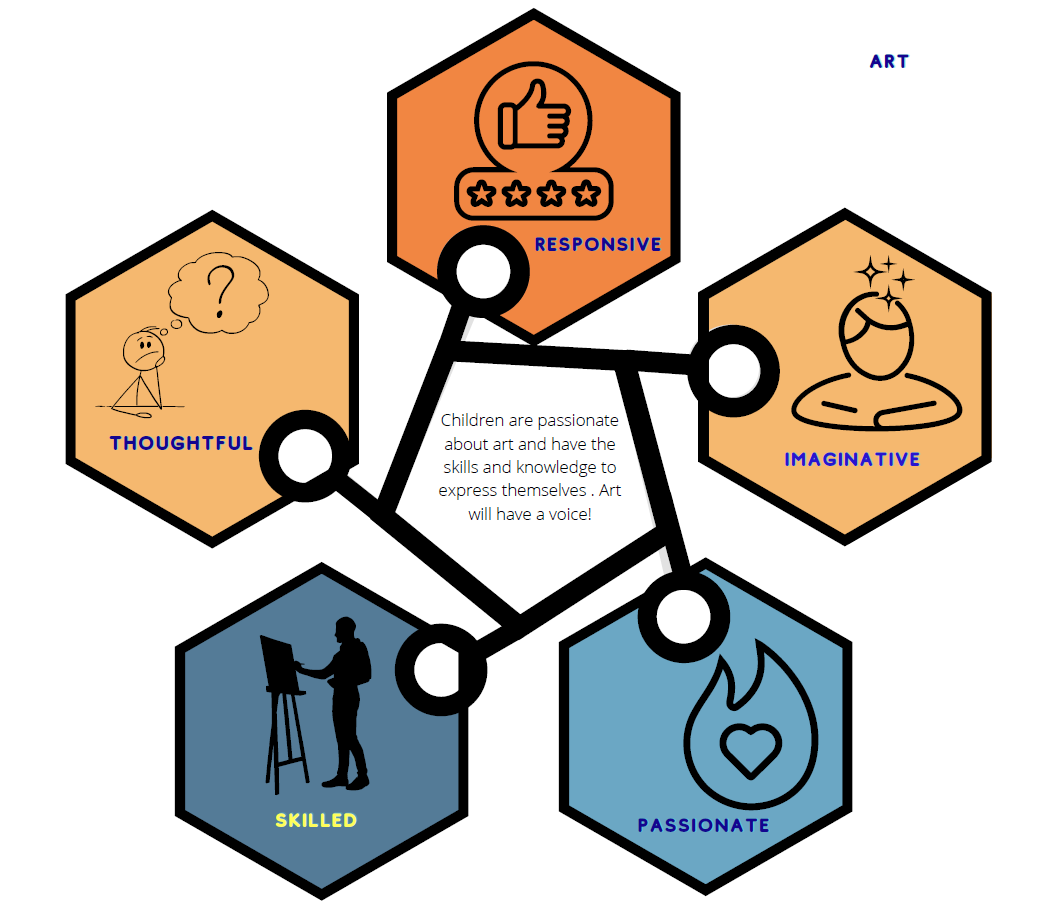
How we teach Art:
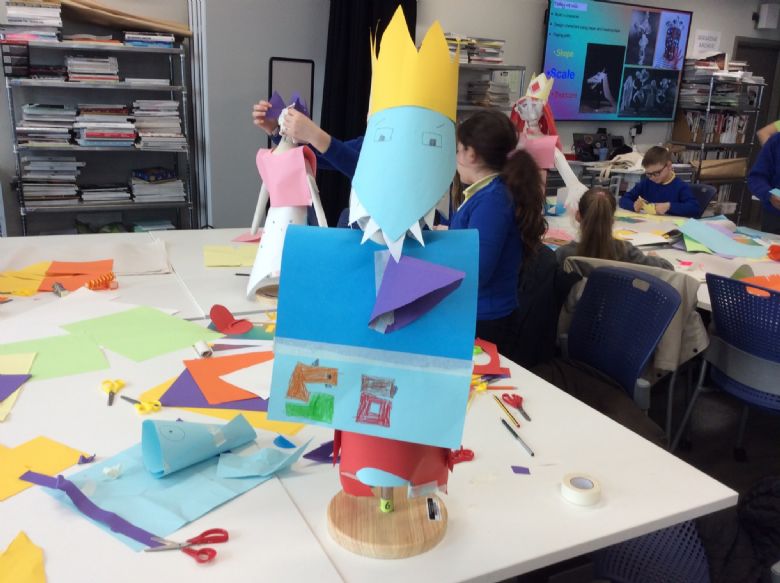
We teach Art every half-term, ensuring creativity is a constant thread through the school year. Our curriculum provides children with continuous opportunities to develop, refine and master their skills across painting, drawing, sculpting, printing and textiles.
How we ensure access for all:
We ensure that all pupils can access and thrive in Art through carefully adapted lessons tailored to individual needs. Where appropriate, children are supported with adapted tools, specialised equipment, and visual resources to ensure everyone can fully engage with the creative process.
For pupils who demonstrate advanced artistic knowledge and skills, we weave challenges directly into our lessons. We extend their thinking by encouraging deeper experimentation, critical self-reflection, and the application of complex techniques to ensure every child reaches their full creative potential.
How we develop cultural capital:
Our curriculum exposes children to a rich tapestry of global and contemporary artists, challenging traditional perspectives and celebrating a wide range of cultural heritages. Through meaningful gallery visits, explicit teaching of artistic vocabulary, and hands-on exploration of diverse media, we empower our pupils with the literacy and confidence to navigate, critique, and contribute to the creative world around them.
-
Gallery Visits: Regular visits to local galleries build a sense of belonging in those spaces.
-
Sketchbooks: We treat sketchbooks as a space for trial, error, and raw ideas, rather than neat presentation.
-
Power to Critique: We teach children how to talk about art critically. Instead of just saying "I like it," give them the sentence stems to explain why an artwork makes them feel a certain way or how a technique was achieved.
-
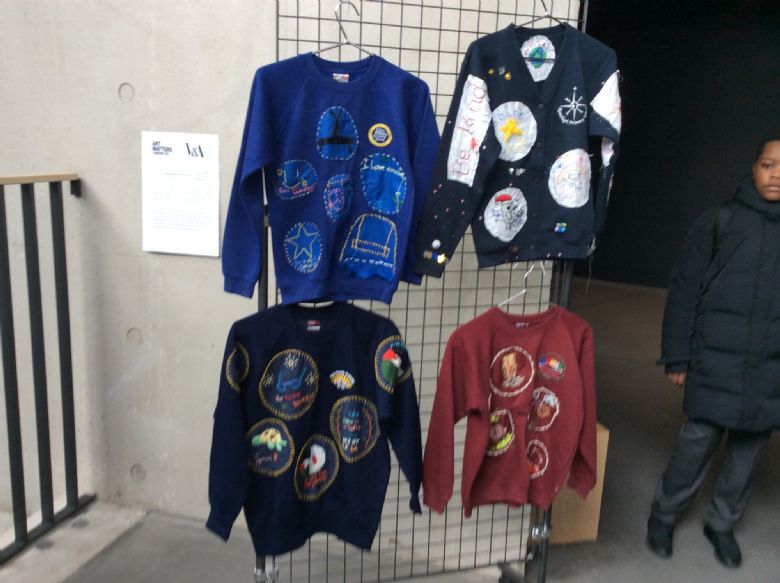
Contemporary & Living Artists: We introduce them to modern change makers. For instance, exploring how modern artists use textiles, installations, or mixed media to tell stories. We ensure the artists studied reflect the diversity of our school community while also introducing them to entirely new cultures and perspectives.
-
Vocabulary Progression: Move from simple descriptions in Key Stage 1 (e.g., bold, smooth, bright) to sophisticated, analytical language in Key Stage 2 (e.g., composition, texture, form, scale, tone).
How we know your child is succeeding:
-
Clear Expectations: Every lesson begins with a clear learning focus and 'musts' (specific success criteria). This ensures children understand exactly what skills they are exploring.
-
Sketchbooks & Outcomes: A child's sketchbook is a record of their progress. We observe sketchbooks to see how ideas develop, how techniques are practised, and how resilience is built through trial and error. This process is valued just as highly as the final outcome.
-
Pupil Voice: We talk to the children. Regular discussions allow pupils to articulate their choices, critique their own work using artistic vocabulary, and explain the concepts behind their creations.
-
Moderation: To ensure accuracy and high standards across the school, our teachers regularly moderate. Looking at work collectively allows us to ensure our assessment remains consistent and fair.
-
Reporting to Parents: Progress in Art is tracked throughout the year and formally reported to parents, celebrating each child's growth, creative expression, and attitude toward the subject.
How you can support your child:
-
Ask Open Questions: Boost your child's confidence by asking them to explain their creative process. Ask: "Tell me about this part of your picture," or "What was the hardest part to make?"
-
Everyday Materials: You do not need professional art supplies. Cardboard boxes, old newspapers for papier-mâché, and scrap pieces of fabric are great resources for developing sculpting and textiles skills.
-
Explore Spaces: Take advantage of free local galleries, museums, or architecture. Sitting in a public space and sketching what they see for ten minutes.
-
Normalise Mistakes: In art, mistakes are just design features. If a drawing does not turn out the way they planned, encourage them to think about how they can adapt it into something new.
Useful websites
- https://www.tate.org.uk/kids
- https://www.bbc.co.uk/cbeebies/topics/art
- https://www.nga.gov/games/paint-n-play/
Subject Lead
Sudha Sreedharan
artanddt@ellenwilkinson.newham.sch.uk