Geography
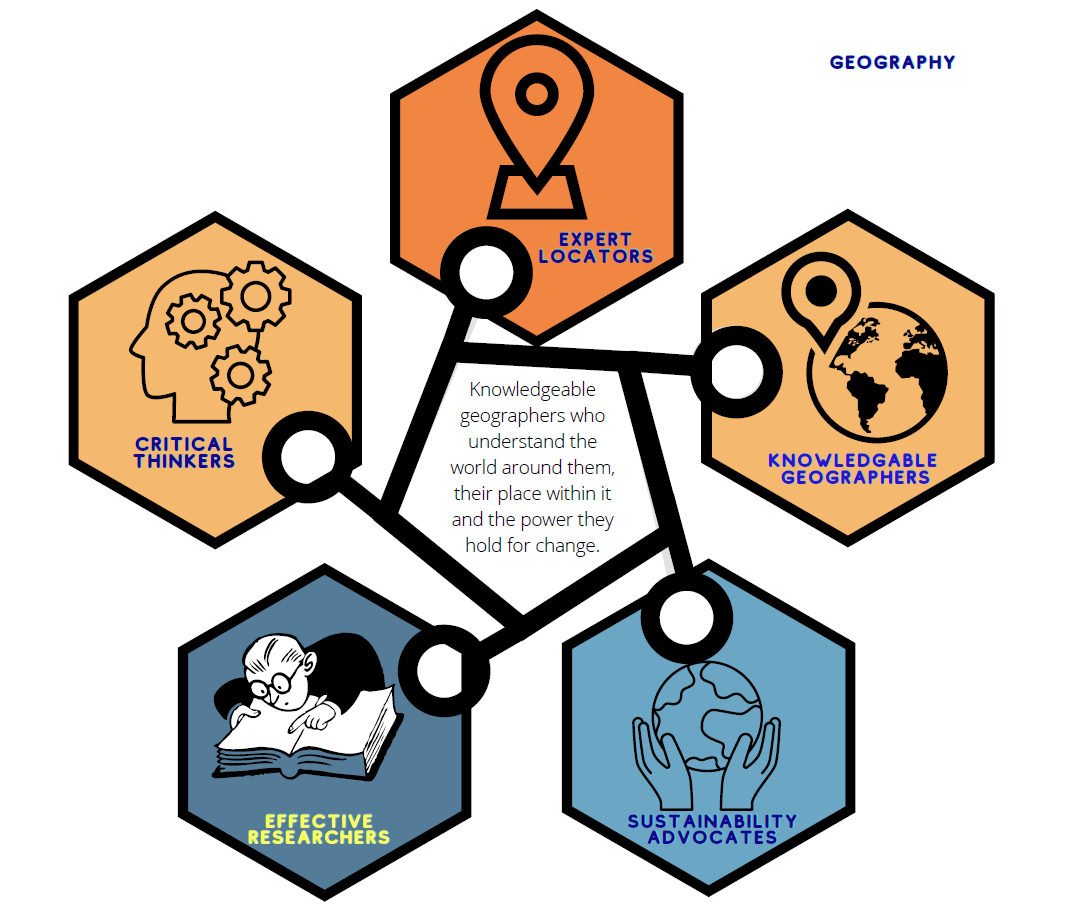
How we teach Geography:
Geography is taught under two strands - Physical geography, where pupils learn about the Earth - its formation, natural disasters and their causes, seas, rivers, mountains, the water cycle amongst other things. Human geography studies aspects relating to humans and their communities, cultures, economies, and interactions with the environment by studying their relations with and across locations.
How we ensure access for all:
We ensure that all pupils can access and engage with geography learning through carefully planned lessons that meet the needs of every child. Where appropriate, pupils are provided with additional support, including visual resources, captions, videos, and high-quality texts to enhance understanding and participation.
For pupils who demonstrate a deeper understanding and strong geographical knowledge, opportunities are provided to extend and challenge their thinking within lessons and across the school. These pupils may take on more complex tasks, lead discussions, undertake independent enquiry projects, and apply their skills in a range of meaningful contexts, enabling them to deepen their understanding and further develop their geographical thinking.
How we develop cultural capital:
At the end of each term, children across KS1 and KS2 take part in a Learning Fair. This provides a valuable opportunity for pupils to share their learning with children from different year groups across the school. Each term, a group of pupils from every class creates and delivers a presentation, alongside a range of engaging activities, based on their learning.
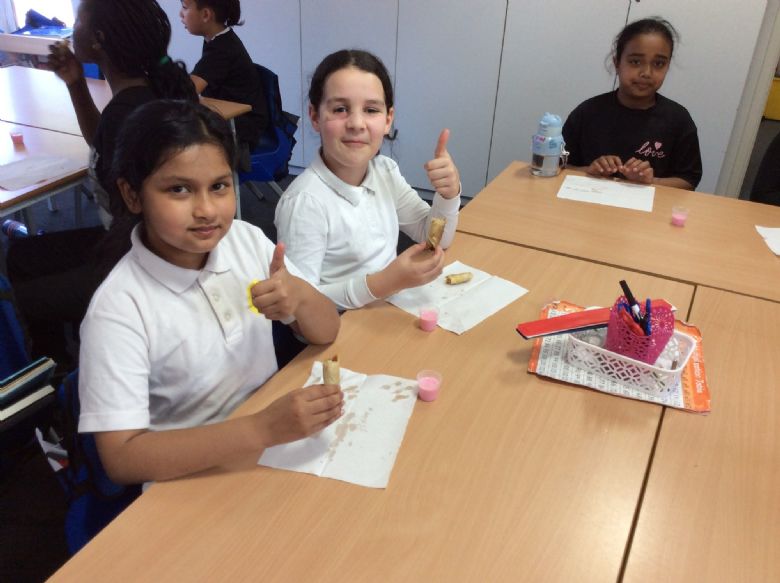
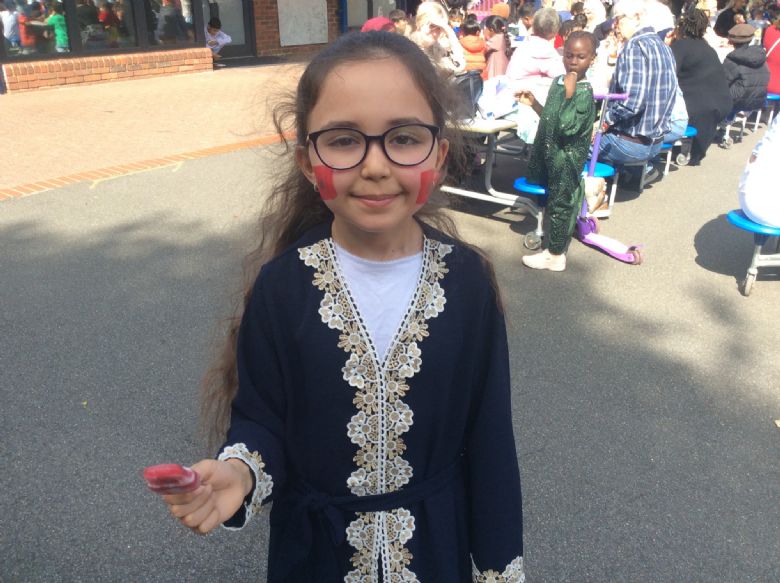
Geography is further enriched through fieldwork opportunities in the local area and, where possible, further afield, enabling pupils to apply their geographical skills and understanding in real-world contexts. Our annual International Week provides an engaging opportunity for children to explore different countries, cultures and global issues, while the Geography Bee encourages pupils to develop their geographical knowledge and curiosity. We also seek to maintain and develop global links wherever possible, helping pupils to build an awareness and understanding of the wider world.
How we know your child is succeeding:
Assessment of pupils’ work is ongoing and is used to inform teachers’ future planning. Teachers get evidence from books and written outcomes and also through questioning and direct observation of children in class. Information on a child’s progress in geography and is also reported to parents, in a written report at the end of each school year. In each lesson, the learning objectives and ‘musts’ (what children must do in order to be successful) are read and shared with the children, so expectations are clear, and they understand how to achieve the outcome.
How you can support your child:
You can have fun with your children by studying the world map and flags; you can create games by selecting a flag and learning about the country. Google Earth is a very interactive tool to use on the Internet; there are maps of our local area and places around the world. Some useful websites to help with homework and extra learning are:
https://www.natgeokids.com/uk/category/discover/geography/
https://www.bbc.co.uk/bitesize/subjects/zcdqxnb
https://www.kids-world-travel-guide.com/geography-facts.html
https://www.bbc.co.uk/bitesize/subjects/zcdqxnb
https://world-geography-games.com/
This quarter, some of the Big Questions we have attempted to explain and discuss include 'Where am I?, Where does our food come from?, and Celebrating our world. Where did we come from?' to name a few.
If you would like to find out more information please contact:
Subject Lead
Miss Kahraman
humanities@ellenwilkinson.newham.sch.uk